domenica 29 aprile 2007

Medieval Cookery

Medieval cooking Regardless of the period being studied, facets of daily life are frequently among the most difficult subjects to pin down and examine. The same is true when studying medieval eating habits. In an age when writing materials were costly and literacy limited to an educated minority, a scarcity of documentation on what must have to contemporaries appeared trivial detail is only to be expected. Therefore, for much of what we claim to know of customs in the Roman, Viking and Anglo-Saxon settlements in Britain, we rely on archaeological evidence and conjecture based on illustrations, literature and other material only peripherally related to gastronomic arts.Manuscripts of more direct relevance to the study of cookery appear in the late 13th century. For England, undoubtedly the most significant would be the Forme of Cury, a late 14th century recipe collection; a great deal of dietary information can also be found in parts of the alliterative poem Piers Plowman. Castle records provide an insight into which foodstuffs a household purchased and in what quantities; dictionaries and phrasebooks provide lists of names for food, indicating items that stewards might have left out of their accounts, due to their being produced locally. Medical texts provide additional evidence, with their advice on the wholesomeness of different foods and maintaining a medieval physician's idea of a balanced and healthy diet.
go to the site:
www.keskiaika.org/kirjasto/food/intro.htm

sabato 28 aprile 2007

Medieval Schools

Medieval Schools
There were many different kinds of schools in medieval England\, though few children received their sometimes dubious benefit. There were small, informal schools held in the parish church, song schools at cathedrals, almonry schools attached to monasteries, chantry schools, guild schools, preparatory grammar schools, and full grammar schools. The curriculum of theses schools was limited to basics such as learning the alphabet, psalters, and religious rites and lessons such as the Ten Commandments and the Seven Deadly Sins. The grammar schools added to this Latin grammar, composition, and translation.
Go to the site:
www.britainexpress.com/History/Medieval_Schools_and_Universities.htm

giovedì 26 aprile 2007

Fisica e scienza nel Medioevo

Fisica e scienza nel Medioevo
La fede e tutto ciò che concerne la religione occupano nel Medioevo un posto di rilievo assoluto: durante i primi secoli, con la Patristica e la definizione dei dogmi cristiani, tutta l’attenzione dei sapienti si concentrò su filosofia e teologia, e punto o poco fu prodotto in campo scientifico. Quando finalmente l’interesse si spostò, gli atteggiamenti furono differenti; la filosofia Scolastica mirava infatti a trovare giustificazioni razionali ai dogmi definiti dalla Patristica. Essendo la religione il perno dell’universo medievale, tutto doveva essere sottoposto ad essa. Tendenti a conciliare la scienza e la fede furono per esempio Gerberto di Aurillac e, in seguito, S.Tommaso d’Aquino: egli riuscì a integrare la filosofia classica, in particolare Aristotele, con la filosofia cristiana, ricorrendo in questo anche a modificare, se necessario, le teorie del filosofo greco. Una posizione opposta fu quella di Manegoldo da Lautenbach, posizione che riflette la preoccupazione della Chiesa per la crescente diffusione di opere come il Timeo di Platone a proposito delle origini del mondo e dell’uomo; Manegoldo infatti si opponeva alla ricerca razionale della verità, affermando che il buon cristiano doveva attenersi esclusivamente a quanto contenuto nella Bibbia. Altri invece, come Abelardo, furono dell’opinione che la scienza dovesse essere slegata e non sottoposta all’etica.
vai al sito:
www.racine.ra.it/lcalighieri/Relazione/Fisica%20e%20scienza%206.htm

mercoledì 25 aprile 2007

Ibn Battuta: a great traveller

Ibn Battuta: a great traveller
To the world of today the men of medieval Christendom already seem remote and unfamiliar. Their names and deeds are recorded in our history-books, their monuments still adorn our cities, but our kinship with them is a thing unreal, which costs an effort of imagination. How much more must this apply to the great Islamic civilization, that stood over against medieval Europe, menacing its existence and yet linked to it by a hundred ties that even war and fear could not sever. Its monuments too abide, for those who may have the fortunate to visit them, but its men and manners are to most of us utterly unknown, or dimly conceived in the romantic image of the Arabian Nights. Even for the specialist it is difficult to reconstruct their lives and see them as they were. Histories and biographies there are in quantity, but the historians for all their picturesque details, seldom show the ability to select the essential and to give their figures that touch of the intimate which makes them live again for the reader. It is in this faculty that Ibn Battuta excels."Thus begins the book, "Ibn Battuta, Travels in Asia andAfrica 1325-1354" published by Routledge and Kegan Paul
go to the site:
www.ummah.net/history/scholars/ibn_battuta/

lunedì 23 aprile 2007

Viaggiatori arabi

Il viaggio di Ibn Gubayr
Ibn Gubayr Abiì al-Husayn ibn Ahmad al-Kinani. Poeta andaluso, nasce a Valenza nel 1145. Sbarca in Sicilia nel 1184, al ritorno di un viaggio in Terrasanta. Scrisse un diario dei suoi viaggi, Viaggio dei Kinilnz, di cui riportiamo alcune brani relativi al suo soggiorno in Sicilia, nella traduzione di M. Amari.
Per alcuni stralci del testo vai al sito:
http://www.ilportaledelsud.org/gubayr.htm

domenica 15 aprile 2007

The English Castle

The English Castle
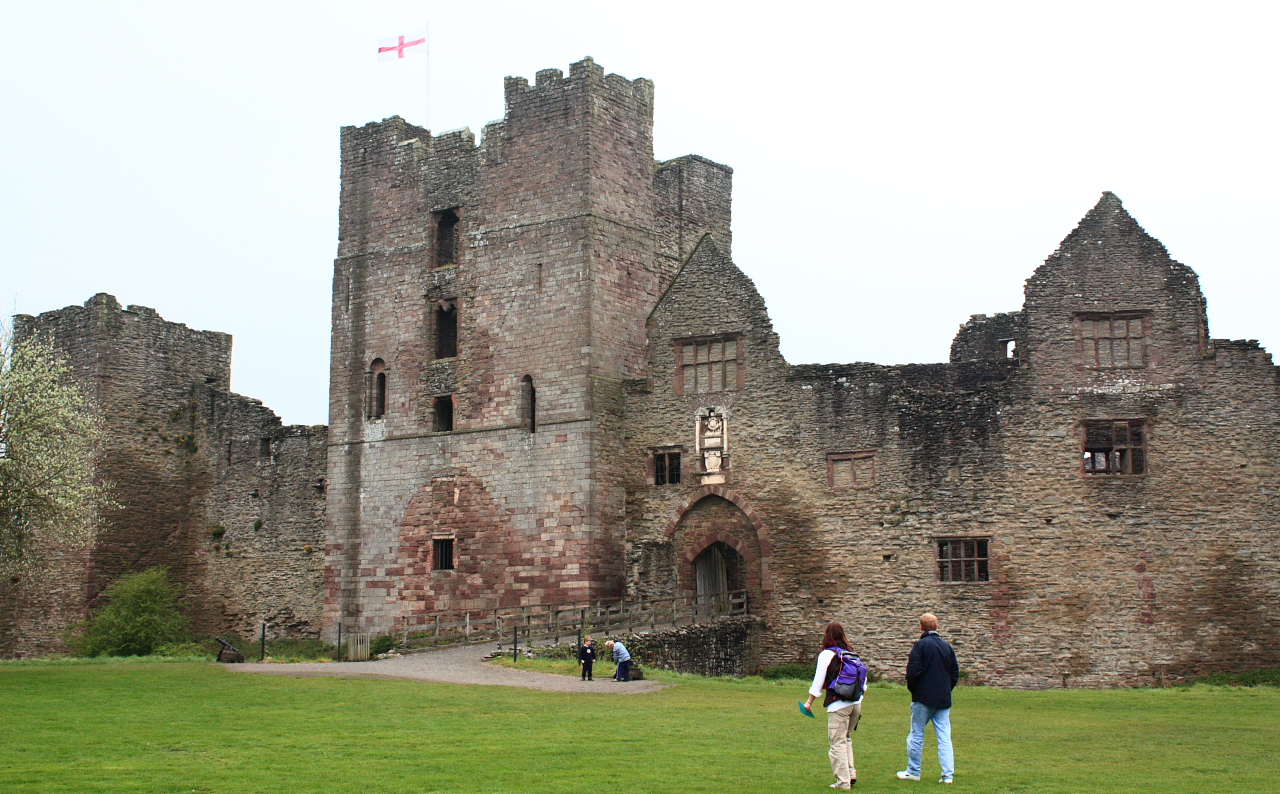
England had known fortifications before the advent of the castle. The Iron Age peoples of Ancient Britain fortified hilltops with massive earthworks, such as Maiden Castle in Dorset, for tribal defense. The Romans dotted the countryside with innumerable military encampments and built the impressive chain of fortresses, known as the Saxon Shore forts (e.g. Portchester Castle, below), to guard South-East England from Saxon raiders in the 2nd and 3rd centuries AD. The Normans later built castles within the walls of two of these Roman Saxon Shore forts, at Pevensey in Sussex and Portchester in Hampshire. The Anglo-Saxons and the Danes entrenched their towns behind earthen banks and timber palisades to create fortified towns, burhs, from which is derived the modern word "borough." Yet, all these structures were for, essentially, communal purposes. What distinguishes the castle from these and other, later fortifications is its function as a private residence.
go to the site:
www.britannia.com/history/david1.html

sabato 14 aprile 2007

Medieval Travels

Travel Literature
Travel literature is a popular genre of published work today. However, it is rarely a dispassionate and scientific recording of conditions in other lands. As a literary genre, it has certain conventions. Readers are generally seeking the exotic, the other, the different in the places they explore in literary mode. We want to learn about the headhunters of Borneo, not the oil rig workers; the wildebeest and gazelles of Africa, not the various species of rats; the temples of Greece, not the takeaway hamburger restaurants. We would rather see the inhabitants of a Swiss mountain village dressed in anachronistic clothes that they wear for an annual culture festival than in their jeans and T-shirts. We may also be seeking our own origins and trying to tie our culture and customs to a sense of place. Australians and Americans lap up literary tours of the historic monuments of England and Europe. We mostly are not terribly interested in their football teams or descriptions of the London Stock Exchange. We demand disjunctions of time, place and continuity, not accuracy.
go to the site:
medievalwriting.50megs.com/word/travel.htm

mercoledì 11 aprile 2007

Au temps des Chevaliers

Au temps des Chevaliers
Quelque temps avant l'an mille, apparaissent en europe occidentale les premiers chevaliers. À cette ère, le mot "chevalier" servait à désigner les hommes de guerre qui combattaient à cheval. Sur les champs de bataille, ces fantassins, qui constituaient l'essentiel des combattants dans l'armée de l'Antiquité et du début du Moyen Âge, passent alors au second plan. L'époque du combat à cheval commence. Dès lors posséder un cheval et tout l'équipement militaire qui l'accompagne coûte cher Certains combattants vont accepter de se placer sous l'autorité d'un riche seigneur qui leur donne un cheval et les moyens de se battre. Tous les chevaliers n'appatenaient pas à la noblesse et tous ne sont pas fils de chevalier. Dans les premiers âges de la chevalerie, on ne devenait pas chevalier par naissance, mais parce que l'on avait été jugé digne de le devenir par un compagnon d'armes qui l'était déjà. Au cours d'une cérémonie particulière, l'adoubement, ce compagnon d'armes faisait chevalier un écuyer qui l'aidait au combat, en lui remettant des armes. À son tour, le nouvel élu pouvait conférer la chevalerie à qui le méritait.
visitez le site:
membres.lycos.fr/preuxchevaliers/